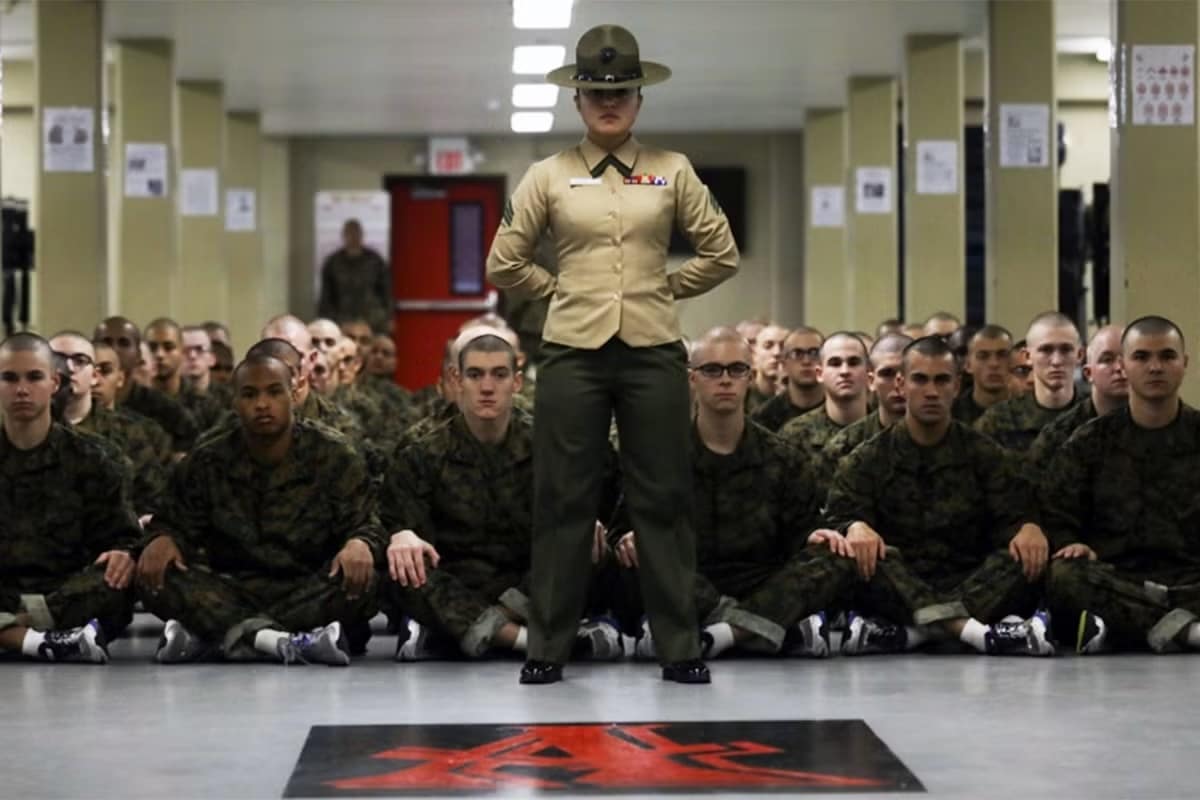
Most leadership advice comes from boardrooms. Some of the best of it comes from boot camp.
Ultimate Leaders know that accountability isn’t built through motivational posters or annual performance reviews — it’s built the same way military leaders build it in their units: through clear standards, consistent follow-through, and leaders who hold themselves to the same expectations they set for everyone else. For business leaders looking to strengthen their own teams, the discipline instilled by military service offers a blueprint worth studying.
Leadership Is Forged, Not Given
In the military, rank doesn’t earn respect — performance under pressure does. A title means little if a leader hasn’t proven they’ll do the hard thing first: show up early, take responsibility when something goes wrong, and never ask a team member to do what they wouldn’t do themselves.
That same principle separates Ultimate Leaders from reactive managers in business. Employees don’t follow a leader because of an org chart. They follow because that leader has demonstrated, repeatedly, that their word means something.
Mission First, Ego Last
Military training drills in a simple hierarchy: mission, team, self. Decisions get evaluated by whether they move the objective forward, not by who gets credit. Leaders who bring that mindset into a civilian workplace tend to build teams that trust them, because every decision is transparently in service of something bigger than any one person’s ego.
Accountability Isn’t Punishment — It’s Respect
One of the most misunderstood lessons from military leadership is that accountability isn’t about discipline for its own sake. It’s a form of respect. Holding someone to a standard communicates that you believe they’re capable of meeting it. Letting standards slide, by contrast, quietly tells a team member their contribution doesn’t matter enough to correct.
This is where many managers get accountability backward. They avoid the hard conversation because it feels uncomfortable, and in doing so, they let weak performance define the culture instead of shaping it. Over time, the strongest performers notice. They’re the ones most likely to leave when standards go unenforced, because they’re the ones with the most options elsewhere.
Small Teams, Big Standards
You can see this philosophy play out in businesses founded by veterans who bring military leadership principles directly into their operations. Copper State Pavement, an Arizona-based asphalt and concrete contractor serving commercial, industrial, and municipal properties across Arizona, California, and New Mexico, was founded by a Marine Corps veteran who built the company around the same standards he learned in the Corps: show up on time, do the job right the first time, and take ownership when something doesn’t go as planned.
That kind of operational discipline is why commercial and municipal clients tend to gravitate toward veteran-led contractors for maintenance work — it’s not a marketing angle, it’s a track record. Leaders evaluating vendors, much like leaders evaluating new hires, are ultimately looking for the same thing the military teaches every service member to deliver: reliability under ordinary circumstances, not just in a crisis.
Bringing Military Discipline Into Civilian Leadership
You don’t need a service background to apply these lessons. Three practices translate directly:
Set the standard, then meet it yourself first. Teams calibrate their effort to what leadership visibly tolerates, not what leadership says in a meeting.
Debrief every outcome, good or bad. Military units review what happened after every operation, not to assign blame, but to improve the next one. Leaders who build that habit into their teams create a culture of continuous correction instead of quiet resentment.
Reward ownership over excuses. When someone raises their hand and says “that was on me,” that’s the behavior to reinforce, not punish. It’s the single fastest way to build a team that trusts its leader enough to be honest.
The Takeaway
Military leadership isn’t about barking orders. It’s about proving, day after day, that standards apply to everyone — starting with the person in charge. Whether you’re leading a sales team, a field crew, or a company built entirely by people who once wore a uniform, that principle doesn’t change: accountability built on respect creates teams people don’t want to let down. The leaders who internalize that lesson early tend to carry it into every organization they build for the rest of their careers.